Feeling puffy? Sluggish? A little swollen after a long day? That urge to move your body isn’t just about fitness—it’s your lymphatic system calling for help.
Your muscles do more than help you lift, walk, and climb stairs. They’re the unsung heroes of your body’s drainage system, working quietly behind the scenes to keep your internal rivers flowing and your cells clean.
The Lymph System’s Big Problem (and Your Muscles’ Big Job)
Here’s the thing: your blood has the heart pumping it along. Your lymph? It has no pump at all. No pressure system. No automatic flow. Just you, your breath, and your muscles.
When your muscles contract, they literally squeeze the lymphatic vessels—pushing fluid upward, back toward your chest, where it rejoins your bloodstream. No movement? No flow. It’s that simple.
So let’s talk about which muscles matter most—and how you can use them to feel lighter, clearer, and less congested.
The Muscles That Move Your Lymph
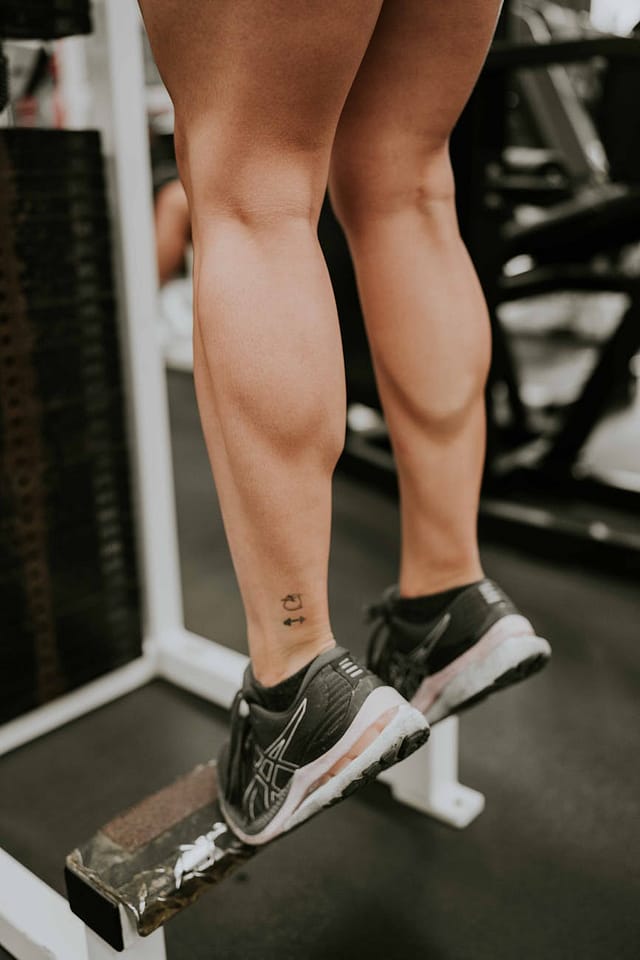
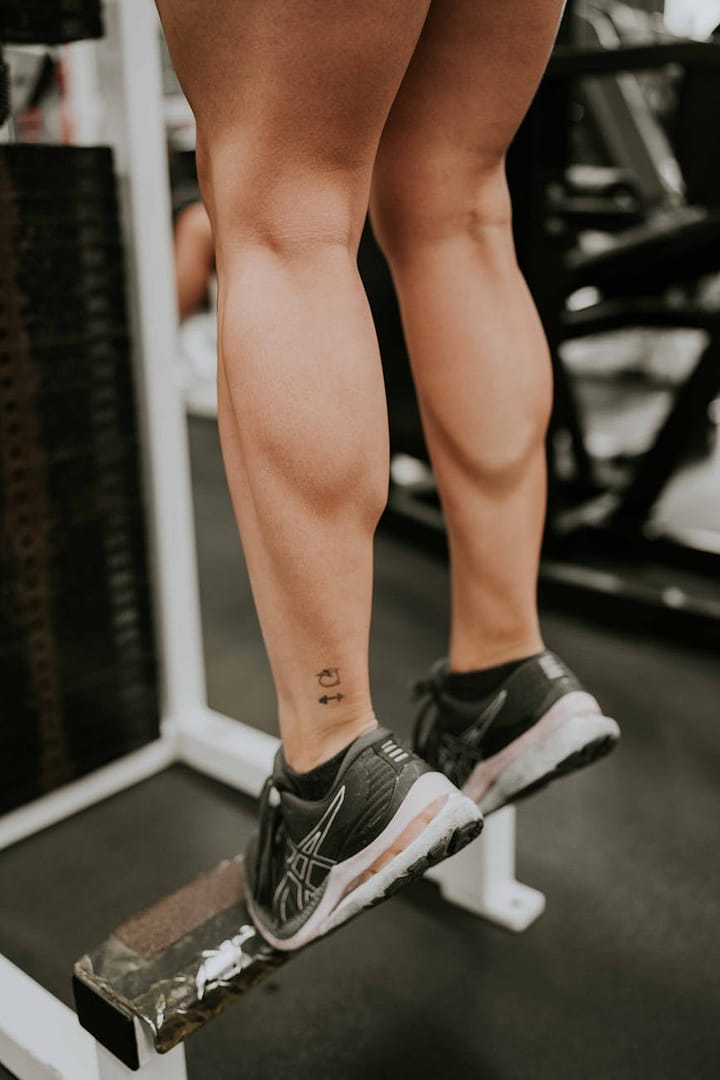
Your Calves: The Second Heart
What they are: The gastrocnemius and soleus—the muscles in the back of your lower leg.
Why they matter: These muscles are sometimes called “the second heart” because they pump lymph and blood upward from your feet and legs, working against gravity with every step. Without them, fluid pools in your ankles and calves.
How to use them: Walk. Do calf raises. Pump your ankles while sitting. Even small movements make a difference.
Your Thighs: The Heavy Lifters
What they are: The quadriceps—the large muscle group along the front of your thigh.
Why they matter: These are the biggest muscles in your body. When they contract, they compress the lymph nodes in your groin and push fluid up through the deep vessels of your pelvis and abdomen.
How to use them: Squat, climb stairs, ride a bike, or do leg lifts. Anything that engages your thighs helps clear your lower body.
Your Glutes: The Pelvic Pump
What they are: The gluteus maximus, medius, and minimus—your buttocks and outer hips.
Why they matter: These muscles sit right above the lymphatic pathways of your pelvis. When you activate them, you stimulate drainage from your reproductive organs, hips, and lower back.
How to use them: Bridges, lunges, stair climbing, or even squeezing your glutes while standing. Your hips will thank you.
Your Arms: The Axillary Activators
What they are: The biceps and triceps—front and back of your upper arm.
Why they matter: These muscles support lymph drainage from your arms, chest, and breast tissue through the axillary (armpit) nodes. Especially important if you’ve had surgery or tend to carry tension in your upper body.
How to use them: Arm circles, light weights, resistance bands, or even gentle stretching. Keep your arms moving.
Your Diaphragm: The Internal Pump
What it is: The dome-shaped muscle beneath your lungs that controls your breath.
Why it matters: This is your lymph system’s secret weapon. Every deep breath changes the pressure in your chest cavity, pulling lymph upward from your belly, liver, and legs into the thoracic duct—the main highway back to your heart.
How to use it: Breathe deeply and slowly. Belly breathe. Hum. Sing. Laugh. All of it helps.
Your Core: The Gut Guardian
What they are: The transversus abdominis and rectus abdominis—the deep and surface muscles of your abdomen.
Why they matter: These muscles wrap around your intestines and abdominal lymph nodes. When they contract, they help move lymph out of your gut—where a huge portion of your immune system lives.
How to use them: Gentle core engagement, pelvic tilts, Pilates, or even pulling your navel toward your spine while breathing. No crunches required.
Movement Is Medicine
You don’t need a gym membership or a perfect workout plan. You just need to move your body in ways that feel good—and remember that every stretch, every step, every deep breath is helping your lymph do its job.
Your muscles aren’t just for strength. They’re for flow. For drainage. For feeling like yourself again.
So the next time you get up to walk, dance in your kitchen, or take a long, slow breath—know that you’re doing something powerful. You’re helping your body heal from the inside out.