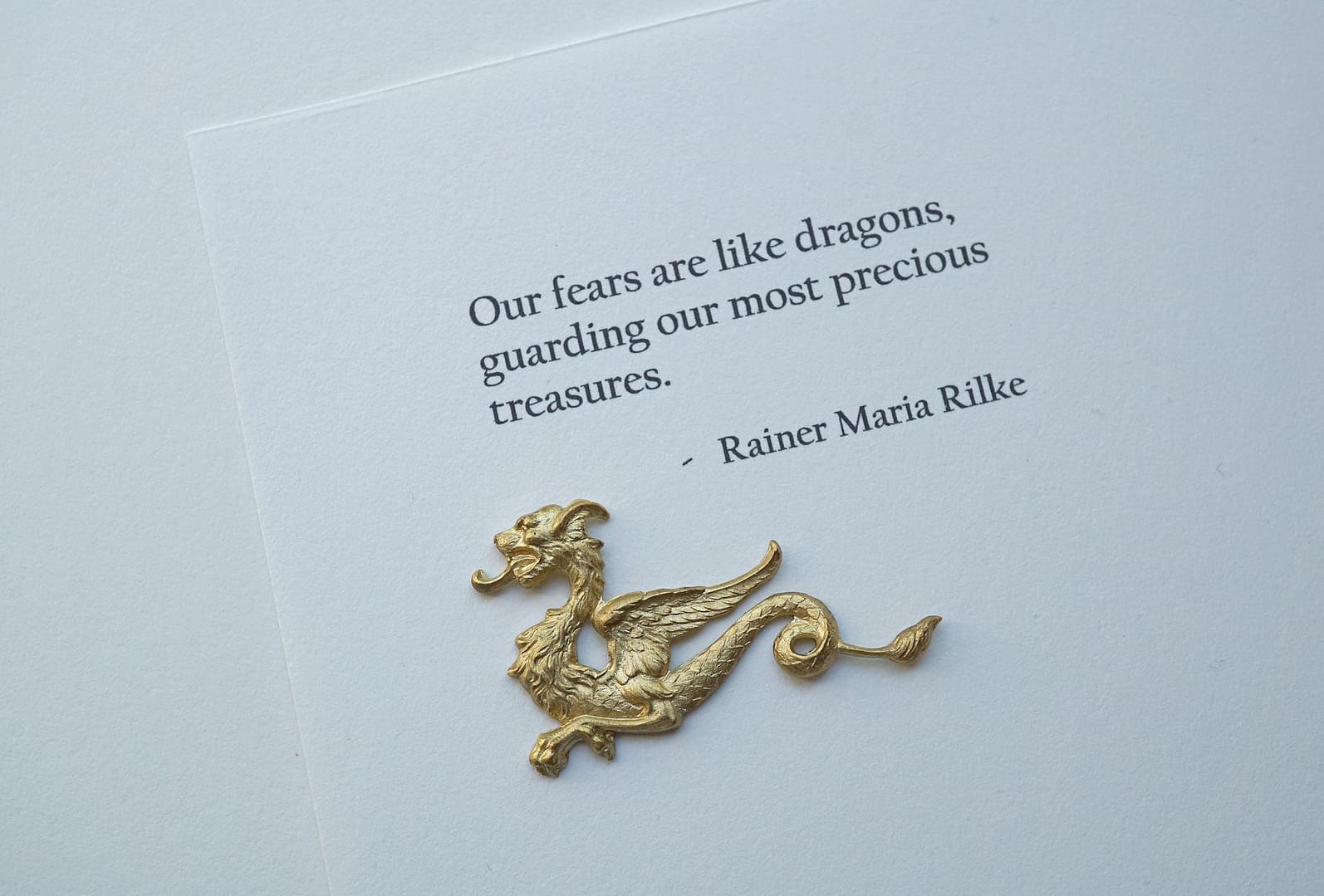
Have you ever found yourself paralyzed by fear? Maybe it’s public speaking, flying, or even something as seemingly simple as highway driving. I’ve been there too.
Here’s the truth I’ve discovered: Fear is just a state of mind—one that we have the power to transform.
The Science Behind Our Fears
Our brains are remarkable. Like high-powered computers, they process information and make connections that trigger our fight-or-flight response when we perceive danger. This system has protected humans for thousands of years.
But sometimes, this ancient survival mechanism misfires in our modern world.
You’re Not Alone
If you’ve ever thought, “I must be the only person who’s terrified of _,” let me stop you right there. Some of the most common fears include:
- Public speaking
- Heights
- Water
- Flying
- Enclosed spaces
- Driving on highways
Rewiring Your Mind
The most liberating realization I’ve had on my personal journey is this: We can choose new thoughts and create new neural pathways.
When our higher selves take control of our minds (rather than letting our minds control us), we create a completely different experience of reality.
My 5-Step Method for Conquering Any Fear
1. Acknowledge the Fear
Name it. Look at it directly. Understand that it’s just a thought pattern, not who you are.
2. Visualize Success
Before taking action, see yourself succeeding. Your brain doesn’t always distinguish between vivid imagination and reality.
3. Take Baby Steps
Break the fear-conquering process into tiny, manageable pieces. Each small victory builds confidence for the next step.
4. Enlist Support
Having someone calm and supportive beside you can make all the difference. Choose someone who won’t feed your anxiety.
5. Celebrate Progress
Each step forward deserves recognition. This isn’t about perfection—it’s about progress.
My Real-Life Examples
From Highway Phobia to Freedom
Let me share how this worked for me with highway driving:
I started by examining my thoughts about driving on the freeway. Instead of “It’s dangerous and I’ll crash,” I shifted to “Millions of people drive safely on highways every day.”
Next, I asked a friend to ride with me as I practiced merging into the slow lane and exiting immediately. Yes, my heart raced, but I did it!
I repeated this process, gradually increasing distance and difficulty—one exit became two, the slow lane became the middle lane. Within weeks, I was confidently driving to destinations I’d previously avoided.
Conquering My Fear of Heights: The Hiking Method
My journey with acrophobia (fear of heights) has been even more transformative. For years, I avoided trails with any significant elevation or exposure. The mere thought of standing near a cliff edge would make my palms sweat and my heart pound.
I decided to apply the same gradual approach to hiking:
- Starting small: I began with completely flat nature trails in local parks. No elevation, no exposure—just enjoying nature while building my hiking confidence.
- Gentle progression: After mastering flat terrain, I moved to trails with modest hills and minimal exposure. Each small ascent became a victory.
- Building experience: I gradually increased the elevation gain and difficulty level of my hikes. What once seemed impossibly high became manageable with practice.
- Gathering tools: I invested in proper hiking boots with excellent traction and trekking poles, which gave me added stability and confidence on uneven terrain.
- Finding support: I asked my wife to keep me company, she was supportive and understood my journey. I also started hikes that had easier access and made sure that it had experienced hikers nearby to provide both safety and encouragement.
- The ultimate test: Eventually, I tackled some of the narrowest, highest trails on major national parks—places I once couldn’t even look at in photographs without feeling dizzy.
Standing on that first narrow ridge, I still felt fear—but it no longer controlled me. I could acknowledge the sensation while remaining present and even enjoying the magnificent views I would have missed just months earlier.
The most powerful moment came when I realized I was no longer thinking about my fear during hikes. Instead, I was fully immersed in the beauty around me, present in ways I never thought possible. And most of all, I could enjoy the company and had most precious times.
When to Seek Help
While this gradual approach works for many fears, sometimes professional help is needed—and that’s perfectly okay. Therapists have specific techniques that can speed up the process and provide valuable support.
The Ultimate Freedom
Remember: Courage isn’t the absence of fear—it’s taking action despite it.
When we learn to face our fears, we discover something incredible: we can observe our thoughts and feelings without being controlled by them. In that space of observation lies freedom—the freedom to shape the life we truly want to live.
What fear are you ready to conquer? I’d love to hear your thoughts in the comments below!
This post was inspired by my own journey through fear and the countless conversations I’ve had with readers who are working to overcome their own barriers. If this resonated with you, please share it with someone who might need these words today.