Before words were written, they were spoken — carried on the breath of those who came before us, alive in the air around a fire, passed from elder to child like a sacred torch. Storytelling is not just something humans do. It is something we are.
We Were Born to Tell Stories
Across every culture, in every corner of the world, our ancestors gathered to share the stories that shaped them — tales of creation, love, loss, heroism, and belonging. These were not mere entertainments. They were the threads that wove communities together, helping each person understand their place in the larger tapestry of life.
Think about the earliest humans. Long before the written word existed, before books lined shelves or screens lit up rooms, there was the fire. And around that fire, there were voices. Elders recited genealogies so that younger generations could trace the lines of their heritage. Storytellers wove dramatic accounts of hunts, battles, and migrations. Healers passed down wisdom through parables. Every story served a purpose — to teach, to warn, to inspire, to connect.
What is remarkable is that this tradition did not belong to one people or one place. From the Aboriginal Australians who carried the history of the land in song, to the griots of West Africa who memorized centuries of royal lineage, to the oral poets of ancient Greece who sang of gods and heroes — every civilization has used the power of story as the cornerstone of its identity.
We were born into this. Story is in our blood.
The Gift Hidden in Repetition
As a custom, some cultures’ storytellers repeat the same tale over and over — not because they lack new material, but because they understand something profound: you are always new.
Each time you return to a story, you bring a different version of yourself. The child who hears a tale of loss understands it through innocent eyes. The teenager who hears it again feels the first sting of real heartbreak. The adult hears it through the lens of experience, of choices made, of roads not taken. And the elder hears it as a mirror, reflecting a life fully lived.
This is why the most powerful stories never grow old. They grow with us.
Revisiting the same story is a way to measure your own journey — to see how far you have traveled, what you have learned, and what still awaits you. It is also an act of devotion to future generations. When young people hear the same stories repeated with reverence, they begin to absorb them, memorize them, and eventually carry them forward. The story does not die. It lives on in the next voice that tells it.
What Stories Give Us
When we gather to hear the stories of others, we receive more than entertainment. We receive something essential:
- Laughter and lightness. We hear of human folly and adventure, and we are reminded that life, for all its weight, is also wonderfully absurd and surprising.
- A reflection of ourselves. In the experiences of others, we see parts of our own story — our fears, our hopes, our quiet struggles — and we feel less alone.
- Lessons without lectures. Story teaches where instruction often fails. When wisdom is wrapped in narrative, it bypasses our defenses and goes straight to the heart.
- Courage by example. Hearing how others have faced their darkest moments gives us permission to believe that we, too, can endure and rise.
- A sense of belonging. Every shared story is a reminder that we are not isolated individuals — we are part of a vast, living human community stretching back through time.
These are not small things. These are the building blocks of resilience, empathy, and hope.
Reclaiming the Tradition
Though many of our formal storytelling traditions have faded, the need for them has not. We live in an age of noise — endless feeds, notifications, and content competing for our attention. Yet beneath all of it, the human hunger for real, meaningful story remains. It has never left us. It is simply waiting to be fed.
You don’t need a formal ceremony to begin. You don’t need a stage or an audience. You need only the willingness to listen — and the courage to share.
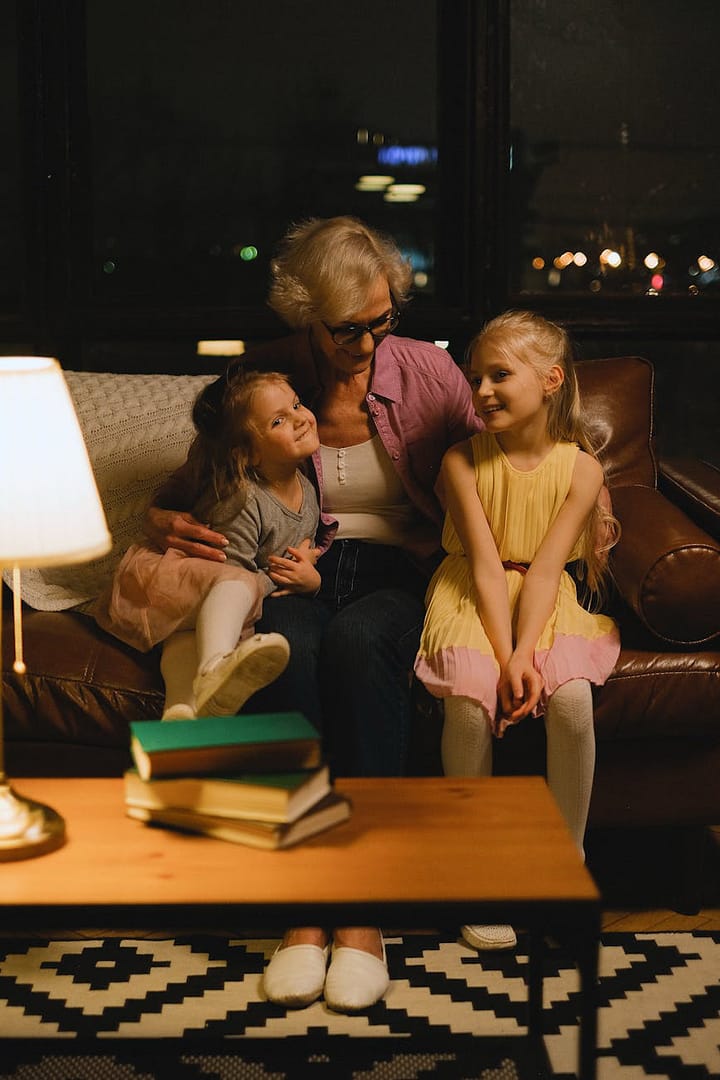
Start small. Ask a parent or grandparent about the hardest moment of their life, and truly listen to the answer. Sit with your children at bedtime and instead of reading from a book, tell them a true story from your own past. Gather friends around a table and trade memories. Host a dinner where the only rule is that everyone comes prepared with one story — funny, heartbreaking, or strange — that they have never told before.
These small, intentional moments are how legacies are built — not in grand monuments, but in the quiet, powerful act of one human voice reaching another.
Your Story Is Needed
Here is what is easy to forget: your life is a story worth telling. Not just the highlight reel, not just the victories and milestones — all of it. The failures that reshaped you. The unexpected kindnesses that saved you. The ordinary Tuesday that changed everything. The love that came too late, or just in time.
Someone out there needs to hear exactly what you have lived through. A younger person standing at the edge of a decision you once faced. A friend who feels they are the only one who has ever felt what you once felt. A child who will one day face the same world you inherited and will need to know that it is survivable — even beautiful.
Your story is not separate from the great human story. It is part of it. It always has been.
So gather your family. Sit with a friend. Ask an elder about their life. Tell your children where they come from. Light a candle, pour a cup of something warm, and let the words come.
The fire is still burning. The circle is still open.
Your story matters. Tell it.
“The universe is made of stories, not of atoms.” — Muriel Rukeyser