I define myself freely in form — in how I move, what I choose, who I become.
But I never forget: what I am in essence cannot be defined. And neither can any of us.
I’m writing this because of something I keep seeing—
not just in the news, not just in politics, but in the way we quietly reduce people before we ever meet them.
We decide what someone is before they speak.
Nations argue over land.
Over names.
Over the authority to define other human beings.
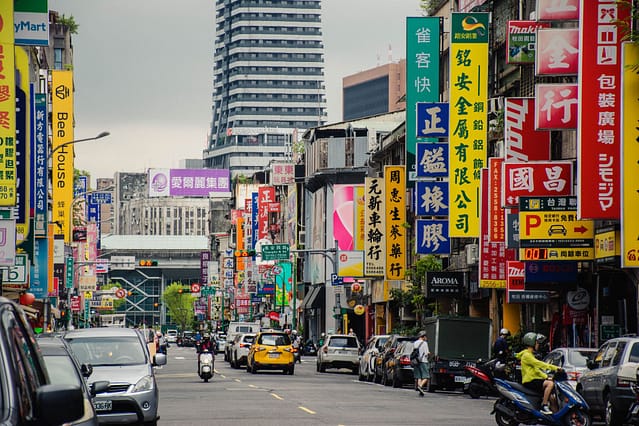
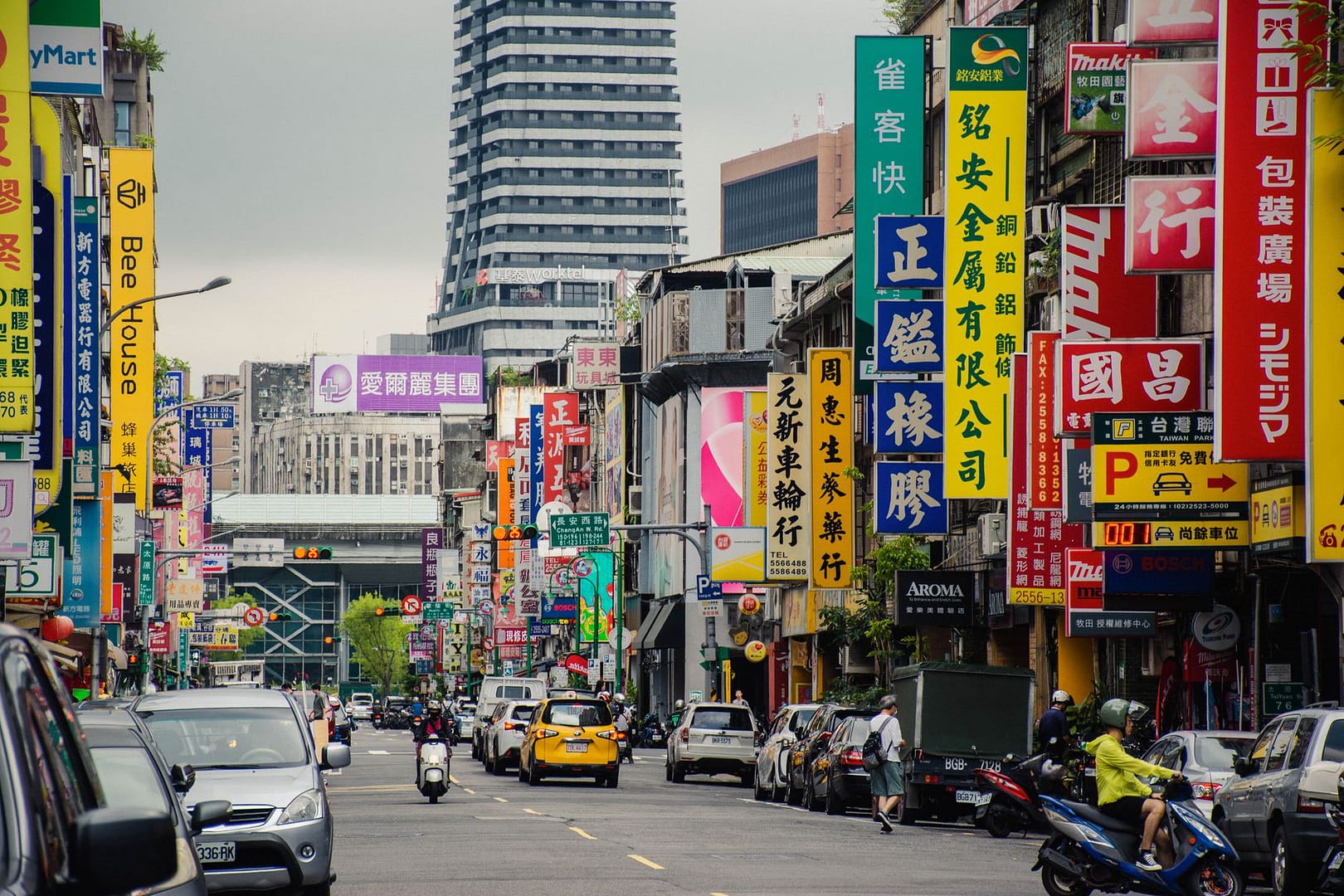
And then there are places like Taiwan—
a people, a culture, a living reality—told from the outside what they are, as if identity were already settled.
As if it were written in blood.
In geography.
In history.
As if it were not yours to choose.
But identity is not inheritance.
And it was never meant to be fixed.
I know this because I never had just one place.
I grew up moving—country to country, culture to culture.
No single hometown. No single flag. No simple answer to “Where are you from?”
And at first, that feels like something missing.
Until you realise—it isn’t.
Because what you gain instead is something most people never question:
You learn that belonging is not something given to you.
It’s something you carry.
I wasn’t always welcomed.
Sometimes I was the outsider.
The foreigner.
The one who didn’t quite fit the definition of us.
And still—I belonged.
Not because anyone approved it.
But because I stopped asking for permission.
You walk into a new place, a new language, a new world—and instead of waiting to feel at home, you decide you already are.
Because home was never a location.
People always ask:
“Where are you from?”
And my answer is simple:
“The water I drank today is from here. And my body is mostly water.”
I’m not being clever.
I mean it.
If we are shaped by what flows through us—what we breathe, what we drink, what we take in—then I belong to wherever I am.
Today, this place forms me.
Yesterday, another did.
Tomorrow, another will.
That is the truth of it.
Not fixed.
Not owned.
Not assigned.
And yet—we cling.
To culture.
To history.
To identity as something solid and unquestionable.
And the tighter we hold it, the more we need someone else to be wrong.
As if we only exist in contrast.
That’s not strength.
That’s fear—made to look like certainty.
This isn’t just about countries.
It’s in families.
In expectations.
In the quiet pressure to become what was decided for you before you even understood yourself.
To inherit an identity instead of choosing one.
To shrink into a label—and call that your life.
He. She. They.
From somewhere. From everywhere. From nowhere that fits neatly.
Underneath all of it, the same question:
Who gets to decide what I am?
The answer is simple.
I do.
And so do you.
This doesn’t mean the past doesn’t matter.
It doesn’t mean roots have no value.
But they are part of the story—not the boundary of it.
The moment we turn origin into definition,
we stop seeing people.
We see categories.
And categories are always smaller than the human being inside them.
People are not fixed.
They are layered.
Contradictory.
Changing.
They grow.
They reject.
They redefine.
They say this is not who I am—even when everything around them insists that it is.
What you are in essence—
that quiet, unnameable presence beneath every label—
was never a nationality.
Never an ethnicity.
Never a box to tick.
Never a line on a map.
It was always just you.
Uncontained.
Unfixed.
Free.
Belonging to wherever you are, right now.
Like water.
Keep the faith. Stay humble.
And remember:
You are always more than what anyone has decided you are.