How to recognize the chaos we create — and choose peace instead.
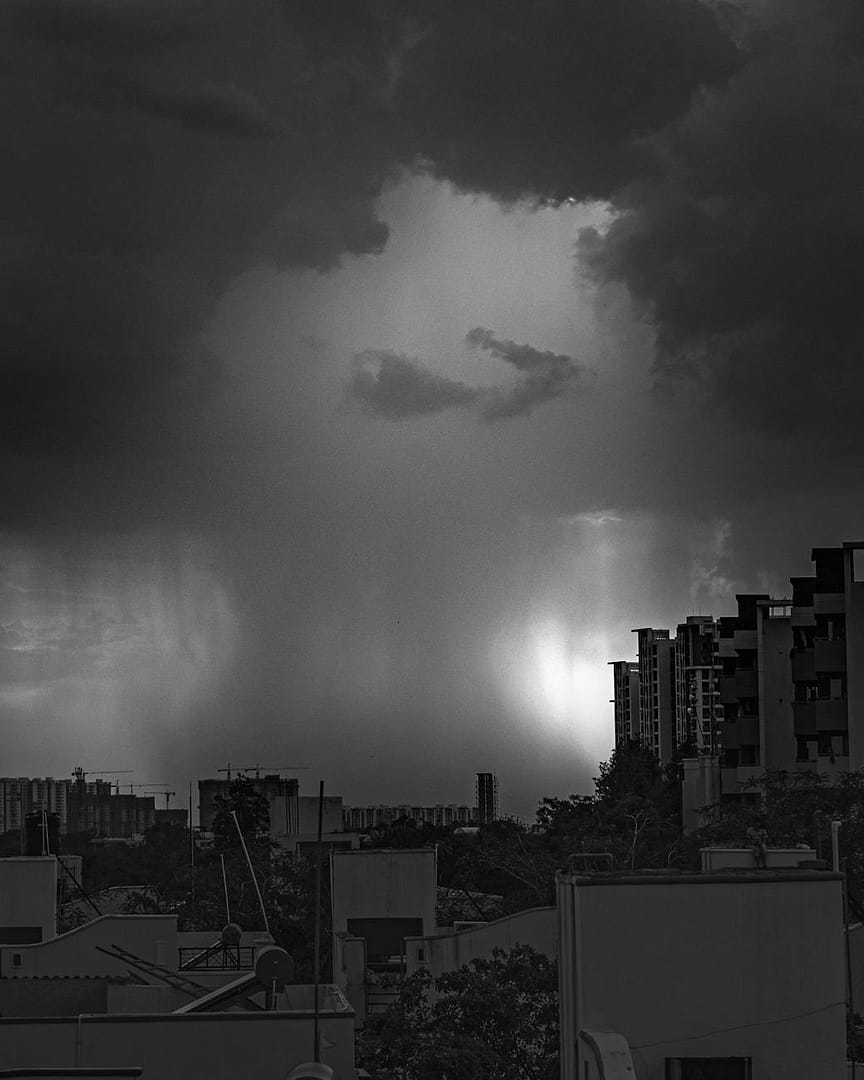
Have you ever noticed that some people seem to walk through life as if followed by a storm?
Crisis after crisis, conflict after conflict — and yet, the storm always seems to find them wherever they go. If that pattern sounds familiar — whether in someone you know or, if you’re honest, in yourself — it may not be fate at all. It may be a habit.
There are scores of people who live jumping from one difficult situation to the next, surrounded by instability and chaos. Some see themselves as victims of a cruel universe. Others blame personal failure for the turmoil that surrounds them. But in most cases, neither story is true. What’s really happening is subtler and more hopeful: they are unconsciously drawing drama into their lives through their choices, attitudes, and patterns of thought.
“The thrill of pandemonium eventually begins to frustrate the soul and drain the energy of all who embrace it.”
Why We Get Hooked on Chaos
Drama, however disastrous, can feel exciting. When conflict erupts, the body responds — adrenaline surges, energy spikes, and for a moment, everything feels intensely, vividly alive. For people who have lived in that heightened state for years, the quietness of a peaceful life can feel unsettling, even threatening.
Beyond the adrenaline rush, drama serves other hidden purposes. For those who seek connection through sympathy, being a victim gives them an identity and an audience. For those raised in chaotic families, continuing to play a familiar role feels like a way to stay connected — to avoid being left behind. The addiction is real, and it is fed by feelings of intensity: conflict, uncertainty, and upheaval.
Breaking the Cycle
Understanding where the subconscious need for drama comes from is the first and most essential step. Once you see the root, you can begin to loosen its grip. Here are a few practices that can help:
Journal regularly. Writing transfers the noise from your mind to the page. Over time, patterns become visible — and what you can see, you can change.
Confront your emotional triggers. Ask yourself honestly: What purpose does this conflict serve for me? What would I lose if it resolved peacefully?
Choose consciously. Each time you decline to participate in dramatic situations — or choose distance from dramatic people — you reclaim a piece of your inner calm.
Embrace the quiet. Peace is not the same as emptiness. A serene, joyful life need not be a boring one — it simply asks you to find aliveness in stillness, not in storm.
Every conscious choice not to engage with chaos creates space — and that space quietly fills with something far more nourishing: a calm, centered stillness that becomes the foundation of a life you actually want to live.
Peace is not the absence of life. It is life, finally given room to breathe.